
Sub-Total: $0.00
Network Media Converters
Electrical Isolation. Cleaner Signal Path.
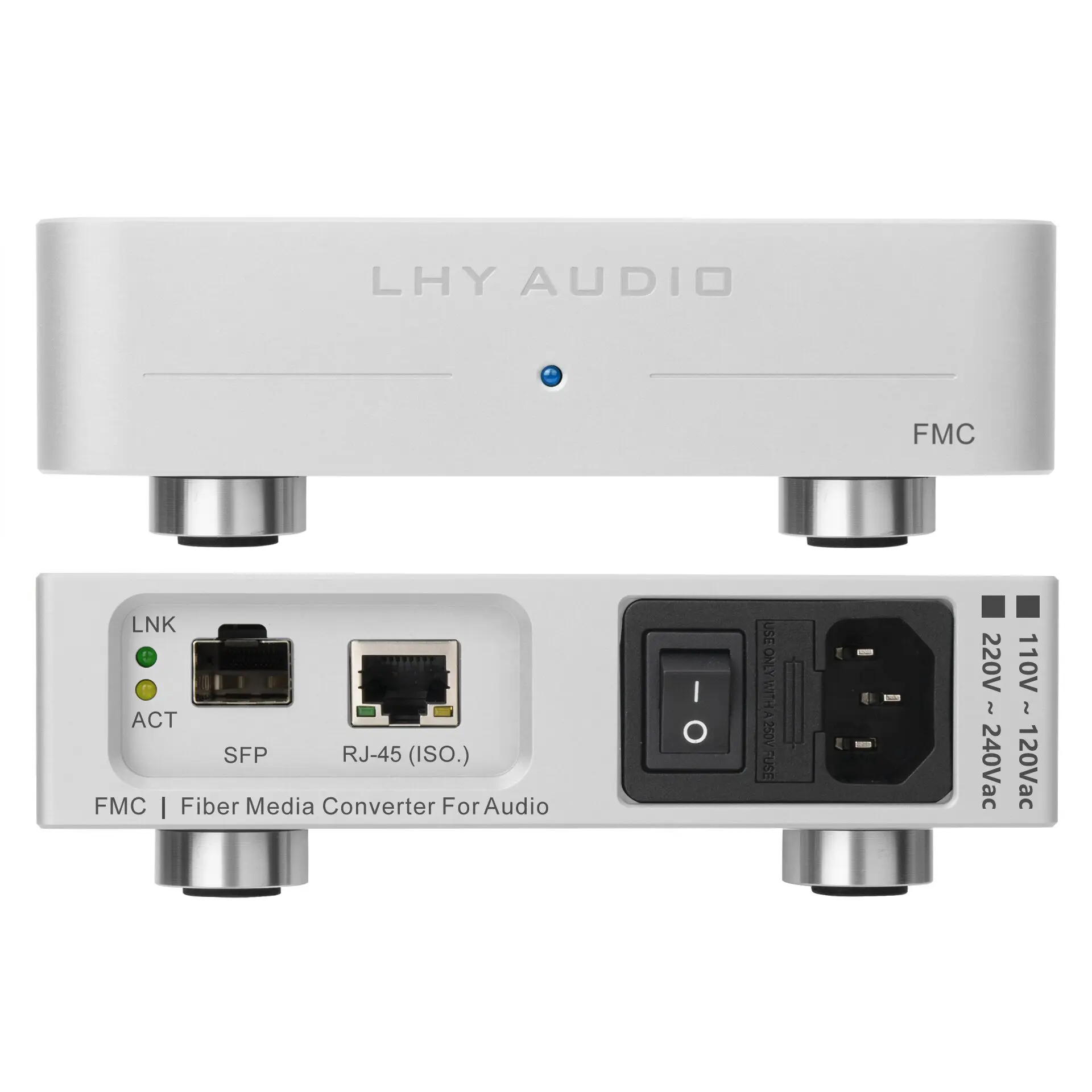
Network media converters use fibre to isolate electrical noise and optimise data transfer, delivering a cleaner, more stable signal for high-performance audio streaming systems.
Key Benefits
- Complete electrical isolation via fibre optic conversion
- Reduced EMI & network noise entering your system
- Cleaner, more stable data transmission
- Improved clarity & system performance
Ideal for use between routers, switches, and streamers, media converters break ground loops and prevent noise from travelling across your network.
A simple upgrade that delivers meaningful improvements in system transparency and overall listening experience.

Audiophile Network Media Converters FAQs
Choosing the right network media converter can help optimise your digital audio streaming system. Audiophile media converters use fibre-optic connections to provide electrical isolation between network devices, helping reduce the transmission of electrical noise and interference. At Diamond Audioworks, we offer carefully selected solutions from LHY Audio and Reiki Audio, designed to complement high-performance streamers, DACs and audiophile network switches. Explore the answers below to understand how media converters work, the benefits of fibre networking and which solution may best suit your system.
A network media converter converts Ethernet data from an electrical connection, such as copper RJ45 Ethernet, to an optical signal carried over fibre-optic cable, or vice versa. This allows network devices to communicate over fibre while providing electrical isolation between the connected network segments. In an audio system, this can help reduce the transfer of electrical noise between network equipment and sensitive streaming components.